Что меняется при переходе волны из одной среды в другую
Многие явления в природе объясняются тем, что свет при переходе из одной среды в другую изменяет направление распространения. Например, если опустить карандаш в стакан, то мы наблюдаем «излом карандаша».
Преломлением объясняется кажущееся уменьшение глубины реки.
Свет преломляется и при распространении в неоднородной среде. Например, такой неоднородной средой является воздух, разные слои которого нагреты по-разному. Свет в таком воздухе преломляется. И именно этим объясняются миражи.
Почему же происходит преломление света? Дело здесь в том, что при переходе из одной среды в другую скорость света как электромагнитных волн изменяется. Например, в воздухе она равна  , а в стекле
  . Частота v колебаний при этом не изменяется. Следовательно, при переходе из одной среды в другую изменяется длина волны. Например, при переходе из воздуха в стекло длина волны уменьшается в
  преломление не происходит (рис. 46, в).
Пронаблюдаем явление преломления. Перед экраном со щелью поставим лампочку и на пути пучка света положим плоскопараллельную пластину со скошенными гранями.
Зафиксируем ход пучка иголками. Затем уберем иголку, лампочку и экран, обведем контуры пластины и начертим падающий и преломленный лучи (рис. 47).
Подобные опыты позволили открыть закон преломления света. Он устанавливает связь между углами падения и преломления и формулируется следующим образом: падающий луч, преломленный луч и перпендикуляр к границе раздела двух сред, восставленный в точке падения луча, лежат в одной плоскости; отношение синуса угла падения к синусу угла преломления есть величина постоянная для двух данных сред:  .
.
Явление полного отражения состоит в том, что свет не испытывает при некоторых условиях преломления даже при угле падения  . Это происходит, если свет переходит из вещества, где он распространяется с меньшей скоростью, в вещество, где скорость света больше. Например, полное отражение можно наблюдать при переходе света из стекла в воздух.
Пронаблюдаем это явление. Воспользуемся пластиной и через боковую грань «запустим свет внутрь стекла».
И мы увидим полное отражение (рис. 49). Можно пайти угол  , при котором начинается полное отражение, воспользовавшись законом преломления света.
Пусть  — показатель преломления стекла. Тогда при переходе света из стекла в воздух можно написать
 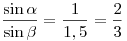 . Тогда
 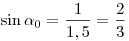 . В нашем опыте угол
  , если свет входит в пластину через грань АВ, и
  , если через грань CD (рис. 50).
В первом случае будет наблюдаться явление полного отражения, во втором — нет.
Связь длины волны и ее скорости
Для начала вспомним, что механическая волна – это колебание, которое распространяется с течением времени в упругой среде. Раз это колебание, волне будут присущи все характеристики, которые соответствуют колебанию: амплитуда, период колебания и частота.
Длина волны
Кроме этого, у волны появляются свои особые характеристики. Одной из таких характеристик является длина волны. Обозначается длина волны греческой буквой (лямбда, или говорят «ламбда») и измеряется в метрах. Перечислим характеристики волны:
Что такое длина волны?
Длина волны – это наименьшее расстояние между частицами, совершающими колебание с одинаковой фазой.
Рис. 1. Длина волны, амплитуда волны
Говорить о длине волны в продольной волне сложнее, потому что там пронаблюдать частицы, которые совершают одинаковые колебания, гораздо труднее. Но и там есть характеристика – длина волны, которая определяет расстояние между двумя частицами, совершающими одинаковое колебание, колебание с одинаковой фазой.
Также длиной волны можно назвать расстояние, пройденное волной, за один период колебания частицы (рис. 2).
Рис. 2. Длина волны
Скорость волны
Следующая характеристика – это скорость распространения волны (или просто скорость волны). Скорость волны обозначается так же, как и любая другая скорость, буквой и измеряется в . Как наглядно объяснить, что такое скорость волны? Проще всего это сделать на примере поперечной волны.
Поперечная волна – это волна, в которой возмущения ориентированы перпендикулярно направлению ее распространения (рис. 3).

Рис. 3. Поперечная волна
Представьте себе летящую над гребнем волны чайку. Ее скорость полета над гребнем и будет скоростью самой волны (рис.4).
Рис. 4. К определению скорости волны
Связь длины волны и ее скорости
Скорость волны зависит от того, какова плотность среды, каковы силы взаимодействия между частицами этой среды. Запишем связь между скоростью волны, длиной волны и периодом волны: .
Скорость можно определить, как отношение длины волны, расстояние, пройденное волной за один период, к периоду колебания частиц среды, в которой распространяется волна. Кроме этого, вспомним, что период связан с частотой следующим соотношением:
Тогда получим соотношение, которое связывает скорость, длину волны и частоту колебаний: .
Мы знаем, что волна возникает в результате действия внешних сил. Важно заметить, что при переходе волны из одной среды в другую изменяются ее характеристики: скорость движения волн, длина волны. А вот частота колебания остается прежней.
Свойства механических волн
1. Отражение волн – механические волны любого происхождения обладают способностью отражаться от границы раздела двух сред. Если механическая волна, распространяющаяся в среде, встречает на своем пути какое-либо препятствие, то она может резко изменить характер своего поведения. Например, на границе раздела двух сред с разными механическими свойствами волна частично отражается, а частично проникает во вторую среду.
2. Преломление волн – при распространении механических волн можно наблюдать и явление преломления: изменение направления распространения механических волн при переходе из одной среды в другую.
3. Дифракция волн – отклонение волн от прямолинейного распространения, то есть огибание ими препятствий.
4. Интерференция волн – сложение двух волн. В пространстве, где распространяются несколько волн, их интерференция приводит к возникновению областей с минимальным и максимальным значениями амплитуды колебаний
Интерференция и дифракция механических волн.
Волна, бегущая по резиновому жгуту или струне отражается от неподвижно закрепленного конца; при этом появляется волна, бегущая во встречном направлении.
При наложении волн может наблюдаться явление интерференции. Явление интерференции возникает при наложении когерентных волн.
Когерентными называют волны, имеющие одинаковые частоты, постоянную разность фаз, а колебания происходят в одной плоскости.
Интерференцией называется постоянное во времени явление взаимного усиления и ослабления колебаний в разных точках среды в результате наложения когерентных волн.
Результат суперпозиции волн зависит от того, в каких фазах накладываются друг на друга колебания.
Если волны от источников А и Б придут в точку С в одинаковых фазах, то произойдет усиление колебаний; если же – в противоположных фазах, то наблюдается ослабление колебаний. В результате в пространстве образуется устойчивая картина чередования областей усиленных и ослабленных колебаний.
Условия максимума и минимума

Если колебания точек А и Б совпадают по фазе и имеют равные амплитуды, то очевидно, что результирующее смещение в точке С зависит от разности хода двух волн.

Если разность хода этих волн равна целому числу волн (т. е. четному числу полуволн) Δd = kλ, где k = 0, 1, 2. то в точке наложения этих волн образуется интерференционный максимум.
Условие максимума: 
Амплитуда результирующего колебания А = 2x0.

Если разность хода этих волн равна нечетному числу полуволн, то это означает, что волны от точек А и Б придут в точку С в противофазе и погасят друг друга.
Условие минимума: 
Амплитуда результирующего колебания А = 0.
Если Δd не равно целому числу полуволн, то 0 < А < 2х0.
Явление отклонения от прямолинейного распространения и огибание волнами препятствий называется дифракцией.
Соотношение между длиной волны (λ) и размерами препятствия (L) определяет поведение волны. Дифракция наиболее отчетливо проявляется, если длина набегающей волны больше размеров препятствия. Опыты показывают, что дифракция существует всегда, но становится заметной при условии d<<λ, где d – размер препятствия.
Дифракция – общее свойство волн любой природы, которая происходит всегда, но условия её наблюдения разные.
Волна на поверхности воды распространяется в сторону достаточно большого препятствия, за которым образуется тень, т.е. волнового процесса не наблюдается. Такое свойство используется при устройстве волноломов в портах. Если же размеры препятствия сравнимы с длиной волны, то за препятствием будет наблюдаться волнение. Позади него волна распространяется так, как будто препятствия не было вовсе, т.е. наблюдается дифракция волны.
Примеры проявления дифракции. Слышимость громкого разговора за углом дома, звуки в лесу, волны на поверхности воды.
Решить задачи на применение вышеизученного материала:
При решении задач скорость звука в воздухе считается заданной и равной 330 м/с.
1. В океанах длина волны достигает 300 м, а период 13,5 с. Определите скорость распространения такой волны.
Понравилась статья? Добавь ее в закладку (CTRL+D) и не забудь поделиться с друзьями:
Длина и скорость волны.
Любая волна распространяется с некоторой скоростью. Под скоростью волны понимают скорость распространения возмущения. Например, удар по торцу стального стержня вызывает в нем местное сжатие, которое затем распространяется вдоль стержня со скоростью около 5 км/с.
Скорость волны определяется свойствами среды, в которой эта волна распространяется. При переходе волны из одной среды в другую ее скорость изменяется.
Длиной волны называется расстояние, на которое распространяется волна за время, равное периоду колебаний в ней.
Поскольку скорость волны — величина постоянная (для данной среды), то пройденное волной расстояние равно произведению скорости на время ее распространения. Таким образом, чтобы найти длину волны, надо скорость волны умножить на период колебаний в ней:

,
где v — скорость волны, Т — период колебаний в волне, λ (греческая буква лямбда) — длина волны.
Формула выражает связь длины волны с ее скоростью и периодом. Учитывая, что период колебаний в волне обратно пропорционален частоте v, т. е. Т = 1/v, можно получить формулу, выражающую связь длины волны с ее скоростью и частотой:

,

Полученная формула показывает, что скорость волны равна произведению длины волны на частоту колебаний в ней.
Длина волны — это пространственный период волны. На графике волны (рис. выше) длина волны определяется как расстояние между двумя ближайшими точками гармонической бегущей волны, находящимися в одинаковой фазе колебаний. Это как бы мгновенные фотографии волн в колеблющейся упругой среде в моменты времени t и t + Δt. Ось х совпадает с направлением распространения волны, на оси ординат отложены смещения s колеблющихся частиц среды.
Частота колебаний в волне совпадает с частотой колебаний источника, т. к. колебания частиц в среде являются вынужденными и не зависят от свойств среды, в которой распространяется волна. При переходе волны из одной среды в другую ее частота не изменяется, меняются лишь скорость и длина волны.
Влияние преломления на длину волны: как, почему, подробные факты
Refraction is a phenomenon that occurs when light passes through different mediums, causing it to change direction. It is фундаментальная концепция in optics and has a significant impact on различные аспекты of light, including its wavelength. When light enters a medium with другой показатель преломления, such as air to water or vice versa, the change in speed causes the light to bend. This bending of light leads to a change in the wavelength of the light wave. In этой статье, we will explore the effect of refraction on wavelength and understand how it influences the behavior of light in different mediums.
Основные выводы
- Преломление света вызывает изменение длины волны при переходе из одной среды в другую.
- Длина волны свет уменьшается when it enters a denser medium and increases when it enters менее плотная среда.
- The change in wavelength is governed by Snell’s law, which relates the angles of incidence and refraction to the refractive indices of the two media.
- Феномен of dispersion occurs when different wavelengths of light refract at different angles, leading to the separation of colors in a prism or rainbow.
- Эффект of refraction on wavelength is important in различные приложения, Такие, как волоконно-оптическая связь, спектроскопия и дизайн линз и оптические приборы.
Effect of Refractive Index on Wavelength
When light travels from one medium to another, it undergoes a phenomenon known as refraction. Refraction occurs due to the change in speed of light as it passes through different materials. This change in speed leads to a change in the direction of light, causing it to bend. Эффект of refraction on the wavelength of light is интересный аспект исследовать.
Explanation of how the refractive index affects the wavelength
The refractive index of a medium is a measure of how much the speed of light is reduced when it passes through that medium. It is defined as the ratio of the speed of light in a vacuum to the speed of light in the medium. The refractive index is denoted by the symbol “n”.
The wavelength of light is the distance between two consecutive peaks or troughs of a wave. It is usually represented by the symbol “λ” (lambda). The wavelength of light changes when it passes from one medium to another due to the change in speed caused by refraction.
The relationship between the refractive index and the wavelength of light can be explained using Snell’s law. According to Snell’s law, the ratio of the sine of the angle of incidence to the sine of the angle of refraction is equal to the ratio of the speeds of light in the two media. Mathematically, it can be expressed as:
n1 * sin(θ1) = n2 * sin(θ2)
Где:
– n1 – показатель преломления первая среда
– θ1 is the angle of падение
– п2 показатель преломления вторая среда
– θ2 is the angle of refraction
From Snell’s law, it can be inferred that the refractive index of a medium affects the angle of refraction, which in turn affects the wavelength of light.
Relationship between refractive index and wavelength
Higher refractive index, shorter wavelength: When light passes from a medium with a lower refractive index to a medium with a higher refractive index, the wavelength of свет уменьшается. This is because the speed of свет уменьшается in the second medium, causing the light waves to “bunch up” and have более короткое расстояние between consecutive peaks or troughs.
In в обоих случаях, the frequency of light remains constant. The frequency of light is the number of полные волновые циклы passing a given point per единица времени and is inversely proportional to the wavelength. Therefore, as длина волны меняется, the frequency remains the same.
Examples illustrating the change in wavelength with different refractive indices
Water to air transition: When light travels from water (refractive index of approximately 1.33) to air (refractive index of approximately 1.00), the wavelength of light increases. This is why objects submerged in water appear closer to the surface when viewed from above the water.
Air to glass transition: When light travels from air (refractive index of approximately 1.00) to glass (refractive index of approximately 1.50), the wavelength of свет уменьшается, Вот почему солома partially submerged in стакан of water appears bent at the water-air interface.
In все эти примеры, the change in refractive index leads to a change in the wavelength of light, resulting in various optical phenomena such as bending, dispersion, and diffraction.
In conclusion, the refractive index of a medium plays a crucial role in determining the wavelength of light. A higher refractive index приводит к более короткая длина волны, while a lower refractive index leads to a более длинная длина волны. Понимание эти отношения helps explain the behavior of light when it passes through different materials and contributes to увлекательный мир оптики.
What is the Effect of Wave Refraction?
Wave refraction is a phenomenon that occurs when a wave, such as light or sound, passes from one medium to another. It causes the wave to change direction and bend as it travels through новая среда. В случай of light waves, refraction is responsible for various optical phenomena, such as the bending of light in a prism or формация of rainbows. In this section, we will explore Определение of wave refraction, explain how it affects the wavelength, and provide examples to demonstrate этот эффект.
Definition of Wave Refraction
Wave refraction refers to the bending of a wave as it passes from one medium to another. This bending occurs due to a change in the wave’s speed as it transitions between different materials. The change in speed is caused by вариация in the refractive index of the two media. Показатель преломления является мерой того, насколько материал can slow down the speed of light compared to a vacuum. It is denoted by the symbol “n” and is defined as the ratio of the speed of light in a vacuum to the speed of light in the medium.
When a wave encounters a boundary between two media with разные показатели преломления, such as air and water, the wave will change direction. This change in direction is governed by Snell’s law, which states that the ratio of the sine of the angle of incidence to the sine of the angle of refraction is equal to the ratio of the speeds of light in the two media. In другие слова, the wave will bend towards the normal (воображаемая линия perpendicular to the surface) if it is entering a medium with a higher refractive index, and away from the normal if it is entering a medium with a lower refractive index.
Explanation of how Wave Refraction Affects the Wavelength
Длина волны – это расстояние между два последовательных очка in the wave that are in phase, such as два гребня or два корыта. When a wave undergoes refraction, its wavelength can change. This change occurs because the speed of волна меняется as it enters новый носитель, while the frequency remains constant.
The speed of a wave is determined by продукт его длины волны и частоты. Следовательно, если скорость волна меняется while the frequency remains the same, the wavelength must also change to maintain эти отношения. When a wave enters a medium with a higher refractive index, it slows down, causing its wavelength to decrease. Conversely, when a wave enters a medium with a lower refractive index, it speeds up, resulting in увеличение в длине волны.
Examples Demonstrating the Change in Wavelength due to Wave Refraction
Light passing through a prism: When white light passes through a prism, it undergoes refraction and separates into its component colors, forming a spectrum. This occurs because different colors of light have different wavelengths and refract at different angles. The более короткая длина волныs, corresponding to синий и фиолетовый свет, refract more than the более длинная длина волныs, например красный и оранжевый свет. As a result, the wavelength of каждый цвет изменения as it passes through the prism.
Sound waves traveling through air layersВ атмосфера, sound waves can experience refraction due to variations in temperature and wind speed at разные высоты. Например, на жаркий день, the air near земля is warmer and less dense than более прохладный воздух higher up. As sound waves pass through эти слои, they can refract and change direction. Это преломление can affect the wavelength of звук волны, изменение шаг и интенсивность звук мы слышим.
In conclusion, wave refraction is увлекательное явление that affects the direction and wavelength of waves as they pass from one medium to another. Understanding the effect of refraction on wavelength is crucial in various fields, including optics, acoustics, and oceanography. By studying and analyzing these effects, scientists and researchers can gain ценные идеи into the behavior of waves and их взаимодействия с разными материалами.
Как рефракция влияет на длину волны?


Преломление увлекательное явление что происходит, когда light or sound waves transition from one medium to another. It is responsible for various optical phenomena, such as the bending of light, dispersion, and формация радуги. Один существенный эффект преломления его влияние on the wavelength of the wave. Let’s explore how refraction affects the wavelength and understand основополагающие принципы.
Description of how refraction influences the wavelength of light or sound
When a wave encounters a change in medium, such as when light passes from air to water or sound travels from air to твердый объект, its speed and изменение направления. This change in direction is caused by the change in the wave’s speed, который определяется свойства of the medium it is traveling through.
To understand how refraction affects the wavelength, we need to consider Snell’s law. Snell’s law describes the relationship between the angle of incidence and the angle of refraction when a wave passes through a boundary between два разных носителя. Закон states that the ratio of the sine of the angle of incidence to the sine of the angle of refraction is equal to the ratio of the speeds of the wave in the two media.
When a wave enters a medium with a higher refractive index, it slows down, causing волновой фронт to bend towards the normal. Conversely, when a wave enters a medium with a lower refractive index, it speeds up, causing волновой фронт to bend away from the normal. This change in direction affects the wavelength of the wave.
Impact of medium density on the speed and wavelength of the wave
Плотность of the medium through which волна распространяется plays a crucial role in determining the speed and wavelength of the wave. In general, более плотные материалы have a higher refractive index, which means that waves traveling through denser media будет испытывать более существенные изменения in speed and direction.
When a wave enters a denser medium, its speed decreases, and as a result, its wavelength also decreases. This phenomenon is known as wavelength compression. Conversely, when a wave enters менее плотная среда, его скорость увеличивается, and its wavelength increases as well. This is referred to as wavelength expansion.
The relationship between the speed of light, the frequency of the wave, and the wavelength is given by уравнение: speed of light = frequency × wavelength. Since the speed of light is constant in a vacuum, любое изменение in показатель преломления среды вызовет соответствующее изменение in the wavelength of the wave.
Illustration of wavelength variation while propagating through different mediums
To better understand how wavelength varies when волна распространяется through different mediums, let’s consider пример of light passing through a prism. When white light enters a prism, it undergoes refraction, causing the different colors of light to separate. This phenomenon is called dispersion.
Причина для это разделение является то, что каждый цвет света a slightly different wavelength. As the light passes through the prism, каждый цвет refracts at немного другой ракурс из-за its specific wavelength, Это вызывает цвета to spread out, creating красивый спектр.
The dispersion of light by a prism is наглядная демонстрация of how refraction affects the wavelength. The более длинная длина волныs, например красный свет, are refracted less than the более короткая длина волныs, например фиолетовый свет. As a result, the different colors of light are spread out, allowing us to see the individual wavelengths из которых состоит белый свет.
In conclusion, refraction has a significant impact on the wavelength of light or sound waves. As waves transition from one medium to another, their speed and изменение направления, что приводит к изменению длины волны. Плотность of the medium plays a crucial role in determining степень of это изменение. Understanding the effect of refraction on wavelength helps us comprehend various optical phenomena and appreciate Красота of мир вокруг нас.
Влияние отражения и преломления на скорость, частоту и длину волны
Explanation of the relationship between reflection, refraction, speed, frequency, and wavelength
When light travels from one medium to another, it undergoes two important phenomena: reflection and refraction. Reflection occurs when light bounces off поверхность, while refraction refers to the bending of light as it passes from one medium to another. These optical phenomena have a significant impact on the speed, frequency, and wavelength of the light wave.
Скорость: The speed of light in a vacuum is constant and is примерно 299,792 км per second (km/s). However, when light travels through a medium, such as air, water, or glass, its speed changes. This change in speed is responsible for the bending of light during refraction.
частота: The frequency of a light wave refers to the number of полные колебания it makes per second. It is measured in hertz (Hz). The frequency of light remains constant as it passes through different media. This means that the number of oscillations per second remains the same, regardless of the medium.
Impact of reflection and refraction on the speed of the wave
Reflection and refraction have глубокий эффект on the speed of a light wave. When light encounters a boundary between two media, such as air and glass, порция of the light is reflected back into the original medium, В то время the remaining light is transmitted and refracted into новая среда.
During reflection, the speed of the light wave remains unchanged. However, during refraction, the speed of the light wave changes. This change in speed is determined by the refractive index of the two media involved. The refractive index is a measure of how much a medium can slow down the speed of light compared to its speed in a vacuum.
According to Snell’s law, the angle of incidence and the angle of refraction are related to the refractive indices of the two media and the speed of light in каждый носитель. When light passes from a medium with a lower refractive index to a medium with a higher refractive index, it slows down and bends towards the normal. Conversely, when light passes from a medium with a higher refractive index to a medium with a lower refractive index, it speeds up and bends away from the normal.
Influence of refraction on the frequency and wavelength of the wave
Refraction also affects the frequency and wavelength of a light wave. As mentioned earlier, the frequency of light remains constant as it passes through different media. This means that the number of oscillations per second remains the same, regardless of the medium.
However, the wavelength of light changes when it enters a different medium due to the change in speed. If the speed of свет уменьшается as it enters a medium, the wavelength becomes shorter. Conversely, if the speed of light increases, the wavelength becomes longer.
This change in wavelength is responsible for the phenomenon of dispersion, which is the separation of light into its component colors. When white light passes through a prism, for example, the different colors of light refract at different angles due to their different wavelengths, Это приводит к the beautiful display of Радуга.
In summary, reflection and refraction play a crucial role in determining the speed, frequency, and wavelength of light. Reflection occurs when light bounces off поверхность, while refraction refers to the bending of light as it passes from one medium to another. These optical phenomena affect the speed of the light wave, as well as the frequency and wavelength. Understanding these effects is essential for comprehending various optical phenomena and их приложения in повседневной жизни.
Example: Calculation of Wavelength Change in Refraction
In Исследование of optics, the phenomenon of refraction plays a crucial role in understanding how light behaves when it passes from one medium to another. One of the interesting effects of refraction is the change in wavelength that occurs when light travels through разные вещества. В этом разделе мы рассмотрим конкретный пример involving a wave of light propagating from air to water and discuss the given parameters and calculations to determine the change in wavelength.
Presentation of a Specific Example Involving a Wave of Light Propagating from Air to Water
Давайте рассмотрим сценарий в котором луч of light, initially traveling through air, encounters a water surface. As the light passes from air to water, it undergoes refraction, resulting in a change in его направление. To understand the effect of refraction on the wavelength of light, we need to examine the given parameters and perform некоторые расчеты.
Given Parameters and Calculations to Determine the Change in Wavelength
To calculate the change in wavelength during refraction, we need to consider несколько ключевых параметров. These include the angle of incidence, the angle of refraction, and the refractive indices of the two media involved.
Угол of incidence (θ₁) is the angle between падающий луч и нормальный (линия perpendicular to the surface) at точка of incidence. Угол of refraction (θ₂) is the angle between преломленный луч and the normal. Эти углы можно измерить с помощью соответствующие инструменты or calculated using Snell’s law.
Snell’s law states that the ratio of the sine of the angle of incidence to the sine of the angle of refraction is equal to the ratio of the refractive indices of the two media. Mathematically, it can be expressed as:
Where n₁ and n₂ are the refractive indices of the initial and final media, Соответственно.
Once we have determined the angles of incidence and refraction, we can calculate the change in wavelength using Формула:
Where λ₁ is the initial wavelength in air and λ₂ is the final wavelength в воде.
Подставив соответствующие значения в Формула, we can determine the change in wavelength during refraction.
In conclusion, understanding the effect of refraction on the wavelength of light is essential in поле of optics. By considering the given parameters and performing необходимые расчеты, we can quantify the change in wavelength as light passes from one medium to another. Это знание helps us comprehend various optical phenomena, such as bending of light, dispersion, and diffraction, and enables us to explain the behavior of light when it interacts with разные вещества, such as a prism.
Why Does Wavelength Affect Refraction?
Refraction is a phenomenon that occurs when light passes through different mediums, causing it to change direction. This change in direction is influenced by the wavelength of the light. In this section, we will explore объяснение of зависимость of refraction on wavelength, the relationship between wavelength and the direction of распространение волны, и Влияние of wavelength on the refractive angle.
Explanation of the Dependence of Refraction on Wavelength
When light travels from one medium to another, such as from air to water or from water to glass, it undergoes a change in speed. This change in speed is responsible for the bending of light, known as refraction. Степень to which light bends depends on the wavelength of the light.
Различные длины волн of light interact with matter in различными способами. Более короткие волнытакие как в the blue and violet range, are more strongly affected by the medium they pass through. On с другой стороны, более длинная длина волныs, like those in the red and orange range, are less affected by the medium.
Это изменение in взаимодействие between different wavelengths and the medium is due to the different energies связанные с each wavelength. Более короткие волны иметь высшая энергия, В то время более длинная длина волныс низкая энергия, В следствии, the medium’s particles interact more strongly with the высшая энергия of более короткая длина волныs, causing them to bend more.
Relationship between Wavelength and the Direction of Wave Propagation
The wavelength of light also influences the direction in which the light waves propagate after refraction. According to Snell’s law, the angle of incidence and the angle of refraction are related to each other and the refractive indices of две среды участвует.
When light passes from a medium with a lower refractive index to a medium with a higher refractive index, such as from air to water, the wavelength of the свет уменьшается. Это уменьшение in wavelength causes the light to bend towards the normal, which is воображаемая линия perpendicular to the surface of the medium.
Conversely, when light passes from a medium with a higher refractive index to a medium with a lower refractive index, such as from water to air, the wavelength of the light increases. Это увеличение in wavelength causes the light to bend away from the normal.
Influence of Wavelength on the Refractive Angle
The refractive angle, also known as the angle of refraction, is the angle between преломленный луч and the normal. The wavelength of light affects the refractive angle through его влияние on the speed of light in different mediums.
The speed of light in a medium is inversely proportional to the refractive index of that medium. Since the refractive index is dependent on the wavelength of light, the speed of light also varies with wavelength. Это изменение in speed leads to a change in the refractive angle.
В общем, более короткая длина волных light experience a greater change in speed and, therefore, a larger refractive angle, На с другой стороны, более длинная длина волныс пройти меньшее изменение in speed and, consequently, a smaller refractive angle.
Understanding the effect of wavelength on refraction is essential in various fields, including optics, astronomy, and telecommunications. It allows scientists and engineers to manipulate light waves to achieve желаемые результаты, such as focusing light through lenses, dispersing light using prisms, and studying various optical phenomena.
In conclusion, the wavelength of light plays a crucial role in the phenomenon of refraction. It determines степень of bending, the direction of распространение волны, and the refractive angle. By studying and understanding these effects, we can harness сила of light and utilize it in многочисленные практические применения.
Часто задаваемые вопросы
Why is the refractive index of glass higher than air?
The refractive index of материал определяет сколько света bends when it passes through it. In случай of glass and air, the refractive index of glass is higher than that of air because the speed of light is slower in glass than in air. Эта разница in speed is due to взаимодействие between light and the atoms or molecules of материала.
When light enters a medium like glass, it interacts with the atoms or molecules of материала. Эти взаимодействия cause the light to slow down, which in turn leads to a change in его направление. This change in direction is what we observe as refraction.
Glass has a higher refractive index because его атомы or molecules are more closely packed together compared to air. This denser arrangement of particles causes light to slow down more when it enters glass, resulting in большее изменение in direction or bending of the light.
Effect of increased frequency on refraction
The frequency of light refers to the number of wave cycles that pass a given point in Второй. When light passes from one medium to another, such as from air to water or from air to glass, его частота does not change. However, the speed and wavelength of light do change.
According to Snell’s law, which describes the relationship between the angles of incidence and refraction, the speed of light in a medium is inversely proportional to его показатель преломления. This means that as the frequency of light remains constant, увеличение in the refractive index of a medium will result in уменьшение со скоростью света.
В результате это уменьшение in speed, the wavelength of light also changes when it passes through a medium with a higher refractive index. The wavelength becomes shorter, which leads to a greater bending or refraction of the light.
Conditions for light dispersion after refraction
Light dispersion refers to the phenomenon where white light separates into its component colors when passing through a medium, such as a prism. This occurs because different colors of light have different wavelengths and therefore different speeds в среде.
When white light enters a prism, it undergoes refraction at each boundary between the air and the prism material. Количество of refraction depends on the wavelength of the light, with более короткая длина волныs bending more than более длинная длина волныs.
As a result, the different colors of light separate and spread out, forming a spectrum. Заказ of цвета in спектр, from shortest to самая длинная длина волны, is violet, indigo, blue, green, yellow, orange, and red.
Условия для рассеивание света after refraction are a medium with a varying refractive index for different wavelengths of light and угол of incidence that allows for multiple refractions within the medium. Эти условия are met in a prism, where форма and material of the prism cause the different colors of light to refract at different angles, leading to the observed dispersion.
Why does the frequency of light not change in higher density mediums?
The frequency of light is determined by источник of the light, such as лазер or лампочка. It represents the number of wave cycles that pass a given point in Второй and is independent of the medium through which the light travels.
When light passes from one medium to another, such as from air to a higher density medium like water or glass, его частота remains constant. This means that the number of wave cycles per second does not change.
However, the speed and wavelength of light do change when it passes through a higher density medium. Скорость свет уменьшается in a higher density medium, while the wavelength becomes shorter. This change in speed and wavelength is what causes the light to bend or refract.
In summary, the frequency of light remains constant regardless of the medium it passes through. The change in speed and wavelength of light in higher density mediums is responsible for the bending or refraction of light.
Заключение
In conclusion, the phenomenon of refraction has значительный эффект on the wavelength of light as it passes through different mediums. When light travels from one medium to another, such as from air to water or from air to glass, it changes direction due to the change in speed. This change in direction is accompanied by a change in wavelength. The wavelength of свет уменьшается when it enters a denser medium, causing the light to bend towards the normal. Conversely, the wavelength increases when light exits a denser medium, causing the light to bend away from the normal. This change in wavelength is a result of the change in speed of light as it interacts with the atoms and molecules of the medium. Understanding the effect of refraction on wavelength is crucial in various fields, including optics, astronomy, and telecommunications. It allows scientists and engineers to design and optimize devices such as lenses, prisms, and волоконно-оптические кабели. Манипулируя преломление of light, we can control the behavior of light and harness его свойства для Широкий ассортимент of applications. Overall, Исследование преломления и его влияние on wavelength is fundamental to Наше понимание света и его взаимодействия с материей.
Часто задаваемые вопросы
1. Как показатель преломления влияет на длину волны света?
The refractive index of a medium determines how much the light wave is bent when it enters that medium. As показатель преломления увеличивается, the wavelength of свет уменьшается.
2. Как влияет преломление волн на свет?
Wave refraction occurs when light passes from one medium to another, causing the light to change direction. This bending of light can have различные эффекты, например, изменение тропинка of лучи света or causing the light to spread out.
3. Как преломление влияет на длину волны света?
Refraction of light occurs when it passes through a medium with другой показатель преломления. This bending of light can cause the wavelength to change, typically resulting in a shorter or более длинная длина волны depending on the angle of incidence and the refractive indices of the two media.
4. Как влияет отражение и преломление на скорость, частоту и длину волны света?
When light encounters a boundary between two media, оба отражения and refraction can occur. Reflection does not affect the speed, frequency, or wavelength of light, while refraction can change the speed and wavelength of light, but not the frequency.
5. Как закон Снеллиуса связан с преломлением?
Snell’s law describes the relationship between the angles of incidence and refraction when light passes from one medium to another. It states that the ratio of the sine of the angle of incidence to the sine of the angle of refraction is equal to the ratio of the refractive indices of the two media.
6. What is the refractive index?
The refractive index is a measure of how much a medium can bend light. It is the ratio of the speed of light in a vacuum to the speed of light in the medium. A higher refractive index указывает a greater bending света.
7. How does the speed of light change in different media?
The speed of light changes when it passes from one medium to another due to differences in the refractive indices of СМИ. Generally, light travels slower in denser media, В результате чего уменьшение в скорости.
8. What is the relationship between frequency and wavelength in light?
Frequency and wavelength are inversely proportional in light. As the frequency of light increases, the wavelength decreases, and vice versa. Эти отношения описывается уравнение: speed of light = frequency × wavelength.
9. What is diffraction in optics?
Diffraction is a phenomenon in optics where light waves spread out and interfere with each other when passing through открытие или около препятствие. It causes the light to bend and produce patterns of светлые и темные области.
10. How does a prism cause dispersion of light?
Призма is a transparent optical element that can separate white light into составляющие его цвета, creating a spectrum. Эта дисперсия occurs because different wavelengths of light refract at different angles as they pass through the prism, resulting in the separation of colors.